.png)
.png)
.png)


Last Updated:
September 19, 2026
As temperatures begin to drop, your irrigation system needs more than simply being turned off for the season. Water left inside sprinkler lines, valves, and other components can freeze and expand, potentially causing cracks or other damage.
A sprinkler blowout removes much of the remaining water from the irrigation system before freezing weather arrives. Taking this step before winter can help protect underground lines and above-ground components and reduce the chance of expensive repairs when spring arrives.
Turning off your irrigation controller does not necessarily remove water from the system. Sections of the piping can still contain water after the system has been shut down.
Damage may not become obvious until the system is turned back on in spring. By then, a cracked component can lead to leaks, poor sprinkler coverage, or an irrigation system that does not operate properly.
When that water freezes, it expands inside the pipes and components. Depending on the system, this can place pressure on:
The ideal timing depends on your area's typical fall temperatures. Sprinkler blowouts should generally be completed before the ground begins experiencing sustained freezing conditions.
Waiting until the first hard freeze can leave your irrigation system vulnerable. On the other hand, there is usually no reason to shut down an active system too early while watering is still necessary. Keep an eye on:
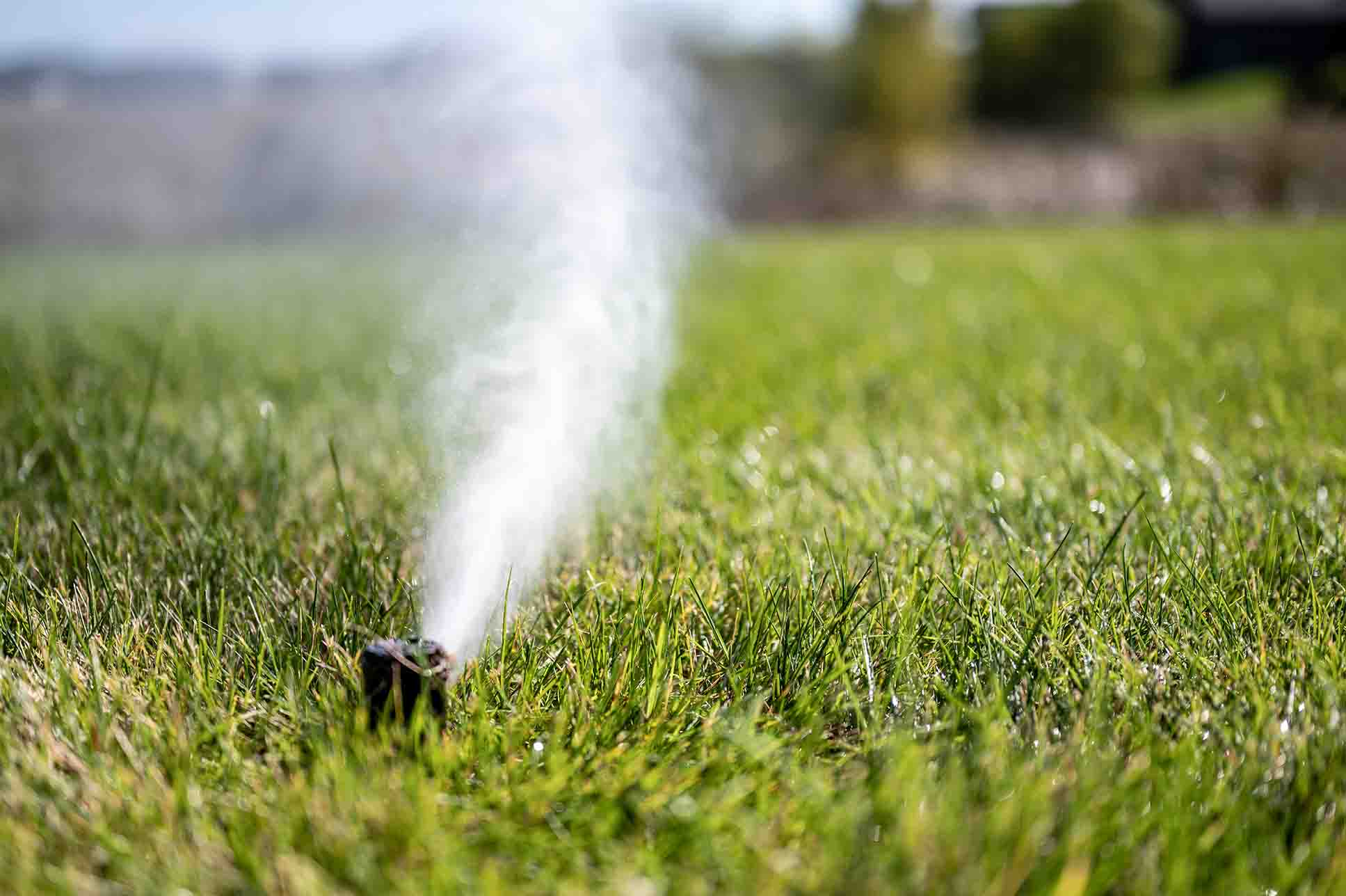
A professional blowout uses compressed air to push water out of the irrigation system. The irrigation zones are opened individually so trapped water can be forced through the sprinkler heads and out of the lines.
The goal is not simply to turn off the controller. The system needs to be properly prepared so as much residual water as practical is removed from areas that could be damaged by freezing. The process may involve several parts of the system, including:
Freezing temperatures can be particularly problematic for components that contain trapped water. Even a relatively small amount of water can expand as it freezes and put pressure on irrigation components.
A sprinkler blowout does not guarantee that every component will remain damage-free, but removing water before freezing weather can significantly reduce one of the major winter risks to irrigation systems.
A proper winterization can help reduce the risk of damage to the system and may help prevent problems such as:
Sprinkler lines are not the only parts of an irrigation system that need attention before winter. Valves, backflow prevention devices, drains, and other plumbing components may also retain water.
Some systems have specific winterization requirements depending on their design. Backflow devices, in particular, can be vulnerable to freezing if they are not properly prepared. Because irrigation systems vary, it is important to use a winterization process appropriate for the specific system rather than assuming that turning off the water supply is enough.
One of the frustrating parts of irrigation damage is that it may not become apparent until the system is started again months later. A damaged valve or cracked line can turn on in spring and immediately begin leaking or failing to distribute water properly.
Professional sprinkler winterization provides an opportunity to prepare the system before freezing temperatures arrive. It can also help identify components that need attention before the next watering season. When spring arrives, you want your irrigation system ready to operate rather than discovering winter damage during the first startup.
Q: What is a sprinkler blowout?
A: A sprinkler blowout uses compressed air to remove water from irrigation lines and components before freezing temperatures can cause damage.
Q: Is turning off my sprinkler system enough for winter?
A: Usually not. Shutting off the controller and water supply does not necessarily remove water trapped inside irrigation lines and components.
Q: When is the best time to blow out sprinkler lines?
A: The system should generally be winterized before sustained freezing temperatures occur. The exact timing depends on your local fall weather and when irrigation use ends.
Q: Can freezing water damage sprinkler pipes?
A: Yes. Water expands when it freezes, which can place pressure on pipes, valves, fittings, sprinkler heads, and other components.
Q: Do sprinkler heads need to be blown out?
A: Sprinkler heads are part of the irrigation zones being cleared during a blowout. Removing water from the lines helps reduce the amount of water remaining in the system.
Q: What happens if I skip a sprinkler blowout?
A: If water remains in vulnerable components and freezes, it can potentially cause cracks or other damage. Problems may not be discovered until the irrigation system is started again in spring.