.png)
.png)
.png)


Last Updated:
October 16, 2026
Vancouver's wet winters and dry summers create different challenges for lawn care throughout the year. Some weeds germinate as temperatures rise in spring, while others establish during fall and remain active through winter.
Applying weed control at the right time helps prevent new weeds from taking hold and makes existing weeds easier to manage. The best schedule depends on the type of weed, current weather, and condition of your grass.

Post-emergent herbicides target weeds that have already emerged. Depending on the product, they can control broadleaf weeds, grassy weeds, or other unwanted plants.
Spring and fall are both useful treatment periods for many established lawn weeds. However, fall is often particularly effective for perennial broadleaf weeds such as dandelions. As these plants prepare for winter, they move resources toward their roots, making fall treatment a useful opportunity for control.
For better results, identify the weed before choosing a product and treat it while actively growing. Avoid applications during drought stress, extreme heat, or conditions that conflict with label directions. Wind and rain can also affect application safety and effectiveness.
Pre-emergent herbicides help prevent certain weeds from establishing by disrupting seed germination or early seedling development. They're especially useful for annual weeds that return from seed each year.
In Vancouver, late winter to early spring is an important window for preventing crabgrass. Apply before the seeds germinate, using soil temperatures and local conditions to guide timing. A fall application may also help prevent certain winter annual weeds, depending on the product.
Pre-emergent treatments won't eliminate weeds that are already growing. Existing dandelions, clover, and other established weeds generally require a different approach. For effective prevention:
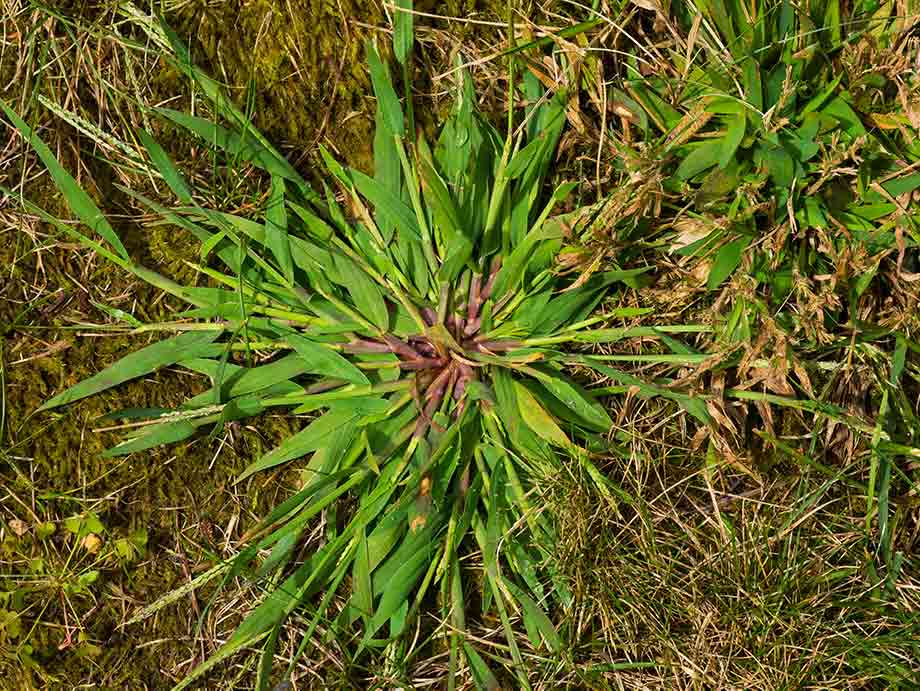
Prepare for annual weed prevention before soil temperatures reach the point where target weeds germinate. This is an important time to consider pre-emergent treatment for crabgrass.
Inspect the lawn for weeds that survived winter, too. Actively growing weeds may be suitable for post-emergent treatment when conditions allow.
As lawn growth picks up, watch for dandelions, clover, and emerging grassy weeds. Treat weeds according to their species and growth stage rather than applying the same product to every problem.
Continue mowing at the appropriate height for your grass. Taller, healthy turf can shade the soil and make it harder for some weeds to establish.
Vancouver's drier summer weather can stress cool-season grasses and reduce the effectiveness of some weed treatments. Certain herbicides also have temperature restrictions.
Focus on proper mowing and watering, and avoid spraying drought-stressed weeds or treating during excessive heat. If treatment is necessary, check the product label for suitable conditions.
Fall is a valuable opportunity to treat established perennial weeds while they're actively growing. Dandelions and clover may respond well to appropriately timed post-emergent applications.
This is also a common time to repair thin lawns through overseeding. Check herbicide restrictions first because some products can interfere with seed germination or damage young grass.
Some products combine fertilizer and herbicide, but combination treatments aren't always the best fit. The fertilizer may not be needed when the weeds require treatment, and the herbicide may have specific application requirements.
Separate applications allow you to time each treatment around the lawn's needs. Before using a weed-and-feed product, confirm that it targets your weeds, suits your grass type, and is appropriate for the season. Always follow label directions to avoid unnecessary applications or damage to nearby plants.
Weed control works best when paired with lawn maintenance that encourages thick, healthy turf. Mow at the recommended height for your grass type, keep mower blades sharp, and avoid removing more than one-third of the grass blade at a time.
During dry weather, water appropriately to help the lawn withstand stress. If bare patches or thinning areas keep appearing, investigate possible causes such as compacted soil, poor drainage, or excessive shade.
Overseeding at the right time can help fill gaps where weeds might otherwise establish. Addressing the conditions that weaken your lawn can reduce recurring weed problems and make future treatments more effective.
Q: When should I apply weed control to my lawn in Vancouver, WA?
A: Late winter to early spring is important for preventing certain annual weeds, while spring and fall can be useful for treating existing weeds. Timing depends on the weed species, weather, and product.
Q: When should I apply pre-emergent herbicide in Vancouver?
A: Apply before the targeted weed seeds germinate. For crabgrass, this generally means late winter or early spring, depending on soil temperatures and local conditions.
Q: Is spring or fall better for post-emergent weed control?
A: Both can work, but fall is often especially useful for perennial broadleaf weeds such as dandelions and clover. Treat while weeds are actively growing and follow the label.
Q: Can I apply weed control during summer?
A: Yes, if the product is appropriate and conditions meet its requirements. Avoid applications during extreme heat or when weeds are stressed by drought.
Q: Can I apply weed control before overseeding my lawn?
A: It depends on the herbicide. Some products interfere with seed germination or damage young grass, so check the label for seeding restrictions.
Q: How often should I apply weed control to my lawn?
A: The schedule depends on the weeds present and the treatment used. Some lawns benefit from seasonal prevention, while others need targeted applications. Follow label directions and assess your lawn's needs before each treatment.