.png)
.png)
.png)


Last Updated:
August 22, 2026
A paver patio is an outdoor living area built by arranging individual paving stones over a properly prepared base. Unlike a poured concrete patio, which is installed as one solid surface, paver patios are made from separate pieces that can be arranged in countless patterns, shapes, and colors.
Paver patios are a popular choice for homeowners who want to create an attractive and functional space for entertaining, relaxing, dining, or enjoying their backyard. Keep reading to learn all about the benefits of installing a paver patio in your yard.
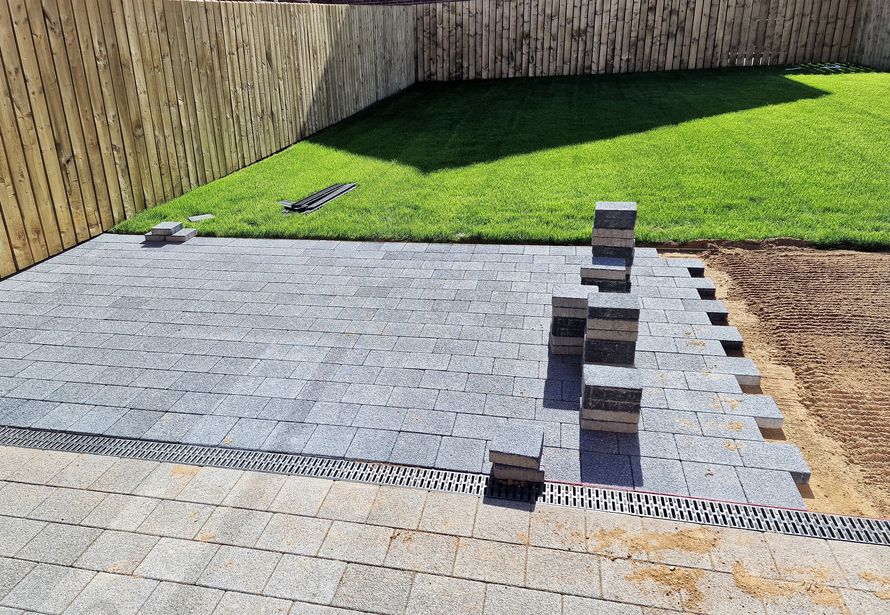
Although a paver patio may look like a simple collection of stones, a durable installation depends heavily on what is underneath the pavers. Professional installation typically begins by preparing and leveling the area, followed by the installation of a compacted base material.
Once the base is properly prepared, a bedding layer is added before the pavers are carefully placed according to the selected design. The edges are then secured, and joint material is swept between the pavers to help keep them in position. A typical paver patio installation involves:
Pavers are available in several materials, with concrete pavers being one of the most common choices for residential patios. Natural stone pavers are another option for homeowners looking for a more organic appearance.
The material you choose can influence the patio's appearance, maintenance requirements, durability, and overall cost. Some popular options include:
One of the biggest advantages of pavers is design flexibility. Individual pavers can be arranged in different patterns and combined with contrasting borders to create a customized appearance.
Pavers can also be replaced individually if one becomes damaged. With a solid concrete surface, repairing a damaged section can be more noticeable because the repair may not match the surrounding material. With pavers, the affected piece can often be removed and replaced without rebuilding the entire patio. Other potential benefits include:
There is no single appearance that defines a paver patio. The layout can be simple and understated or highly detailed, depending on the surrounding landscape and architectural style of the home.
Running bond patterns create a straightforward appearance, while more intricate arrangements can provide additional visual interest. Homeowners can also use larger pavers for a contemporary design or smaller pieces for a more traditional look.
A patio can also incorporate multiple paver styles. For example, a contrasting border can define the perimeter while a different pattern is used throughout the main seating area.
A paver patio can become an extension of your home's usable living space. Its purpose can be determined during the design process, allowing the layout to accommodate the way you actually use your backyard.
The intended use should be considered before construction. Furniture placement, traffic flow, access to the home, and features such as fire pits or outdoor kitchens can all influence the patio's size and layout. Common uses include:
Both pavers and concrete can create attractive outdoor surfaces, but they offer different characteristics. Concrete provides a continuous surface and can be poured into a wide range of shapes. Pavers provide individual pieces that can be rearranged into patterns and replaced individually if needed.
The right option ultimately depends on the property's design, budget, desired appearance, and how the space will be used.
For homeowners who want extensive design flexibility and the ability to replace individual pieces, a paver patio can be an especially appealing option.
A properly designed and installed paver patio can provide many years of outdoor use. Longevity depends on factors such as the quality of the materials, installation techniques, drainage, soil conditions, climate, and ongoing maintenance.
The foundation beneath the pavers is particularly important. A patio that is installed over an unstable or poorly compacted base is more likely to develop problems over time. Professional preparation helps create a stable surface capable of supporting normal foot traffic, furniture, and outdoor activities.
Q: What is a paver patio?
A: A paver patio is an outdoor living area constructed from individual pavers installed over a properly prepared and compacted base. Pavers are available in many colors, shapes, sizes, and materials, making it possible to create a customized patio that complements the home and surrounding landscape.
Q: What are paver patios made from?
A: Paver patios can be built using concrete, brick, natural stone, porcelain, and other paving materials. Concrete pavers are especially common because they offer a wide selection of styles and patterns while providing a durable surface for everyday outdoor use.
Q: How is a paver patio installed?
A: Installation typically involves planning the layout, excavating the area, preparing and compacting a stable base, adding a bedding layer, and carefully placing the pavers. The perimeter is then secured and joint material is added between the pavers to help keep them in position.
Q: Are paver patios durable?
A: Yes. When properly designed and installed, paver patios can provide many years of reliable use. Proper base preparation and drainage are particularly important because they help reduce problems such as shifting, settling, and uneven surfaces.
Q: Can a paver patio be customized?
A: Absolutely. Homeowners can choose different paver materials, colors, shapes, patterns, borders, and layouts. A patio can also be designed around features such as fire pits, outdoor kitchens, seating areas, planting beds, and walkways.
Q: Is a paver patio worth the investment?
A: For many homeowners, a paver patio is a worthwhile landscape improvement because it creates functional outdoor living space while adding visual appeal to the property. A professionally designed and installed patio can provide a durable, attractive area for relaxing, dining, entertaining, and enjoying the yard.