

Last Updated:
November 21, 2026
Winter may not be the first season that comes to mind when thinking about landscape maintenance, but it can be an important time to care for shrubs throughout the Pacific Northwest. With mild, wet winters common across much of western Washington and Oregon, many deciduous shrubs enter dormancy while evergreen varieties continue providing structure and greenery.
Winter pruning gives homeowners an opportunity to remove damaged branches, manage overgrown plants, and prepare certain shrubs for the upcoming growing season. Without dense summer foliage, deciduous shrubs are also easier to inspect, making it simpler to identify branches that need attention.
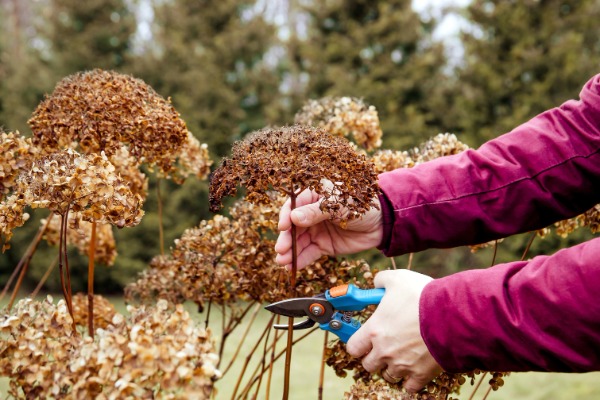
Pacific Northwest winters can bring heavy rainfall, strong winds, occasional snow, and freezing temperatures. These conditions can put considerable stress on landscape shrubs, particularly plants with long or weak branches.
Snow and ice can weigh down stems, while saturated soil may make some shrubs more vulnerable to shifting or root disturbance. Winter is a good opportunity to inspect plants for damage and remove branches that are unlikely to recover.
Pay particular attention to:
The mild growing conditions in many parts of the Pacific Northwest allow shrubs to grow for much of the year. Regular rainfall and relatively moderate temperatures can support substantial foliage development, making it easy for landscape plants to outgrow their original spaces.
Winter provides an opportunity to evaluate shrub size and identify areas that need attention. With deciduous plants dropping their leaves, you can see the underlying branch structure and make more deliberate cuts.
This is especially helpful for shrubs growing near walkways, fences, windows, and foundations. Selective pruning can keep branches from obstructing these areas while maintaining the plant's natural shape.
Frequent rainfall is a defining feature of many Pacific Northwest landscapes. While consistent moisture supports healthy plant growth, it can also create challenges for shrubs with thick, crowded branches.
When foliage and stems become too dense, moisture may linger inside the plant instead of drying quickly. This can create favorable conditions for fungal diseases and other plant health problems.
Removing some of the older, crowded growth can also help prevent shrubs from becoming tangled and difficult to maintain. Just remember that the goal is to improve airflow without removing too much healthy growth.
Many Pacific Northwest landscapes feature flowering shrubs that bring color to residential properties throughout the year. Proper pruning can help maintain their shape and support healthy flowering, but timing is especially important.
Some shrubs develop flower buds on the previous year's growth, while others produce blooms on new branches during the upcoming growing season. Understanding this difference can help you avoid accidentally removing an entire season of flowers.
Some examples of Pacific Northwest shrubs include:
Winter is a useful time to get ahead of landscaping projects before the busy spring growing season arrives. Pruning suitable shrubs now can reduce the amount of trimming and cleanup needed once plants begin producing new foliage.
Removing unwanted branches also makes it easier to access the soil beneath shrubs, inspect landscape beds, and identify areas that may need additional attention.
Once pruning is finished, you can collect the branches and clear away accumulated debris. This creates a cleaner starting point for other seasonal tasks, including:
Healthy shrubs require more than occasional trimming. Knowing which branches to remove, how much growth to preserve, and when individual varieties should be pruned can make a significant difference in the appearance and condition of your landscape.
Professional shrub pruning helps maintain attractive plant shapes, address winter damage, and prepare suitable shrubs for spring growth. Whether your landscape needs selective trimming or more extensive maintenance, our team can help keep your outdoor spaces in great condition.
Contact us today to request an estimate for professional shrub pruning and other landscape maintenance services!
Q: When Is The Best Time To Prune Shrubs In The Pacific Northwest?
A: Late winter is often a good time to prune shrubs that tolerate dormant-season trimming. Aim for a mild period before spring growth begins, but always consider the plant variety and local weather conditions.
Q: Can I Prune Evergreen Shrubs During Winter?
A: Some evergreen shrubs tolerate light winter pruning, but extensive trimming is generally better left for the appropriate growing season. Avoid removing large amounts of foliage, particularly from plants that grow slowly or are already stressed.
Q: Should I Prune Hydrangeas During Winter?
A: It depends on the variety. Panicle and smooth hydrangeas generally tolerate late-winter pruning because they flower on new wood. Bigleaf and oakleaf hydrangeas often bloom on older growth, so removing their stems during winter can eliminate upcoming flowers.
Q: Does Winter Pruning Help Prevent Fungal Diseases?
A: Selective pruning can improve airflow and help reduce moisture buildup inside dense shrubs. Removing diseased branches may also help limit certain plant health problems, provided proper sanitation practices are followed.
Q: Should I Remove Branches Damaged By Snow And Ice?
A: Yes, severely broken or damaged branches can generally be removed once conditions allow. Make clean cuts without removing additional healthy growth, and avoid working on shrubs when branches are frozen.
Q: Can I Prune My Shrubs During A Rainy Winter?
A: It's generally better to wait for a dry period when possible. Working with wet plants can make it harder to identify certain problems, and pruning during wet conditions may increase the risk of spreading some plant diseases through contaminated tools.