

Last Updated:
November 21, 2026
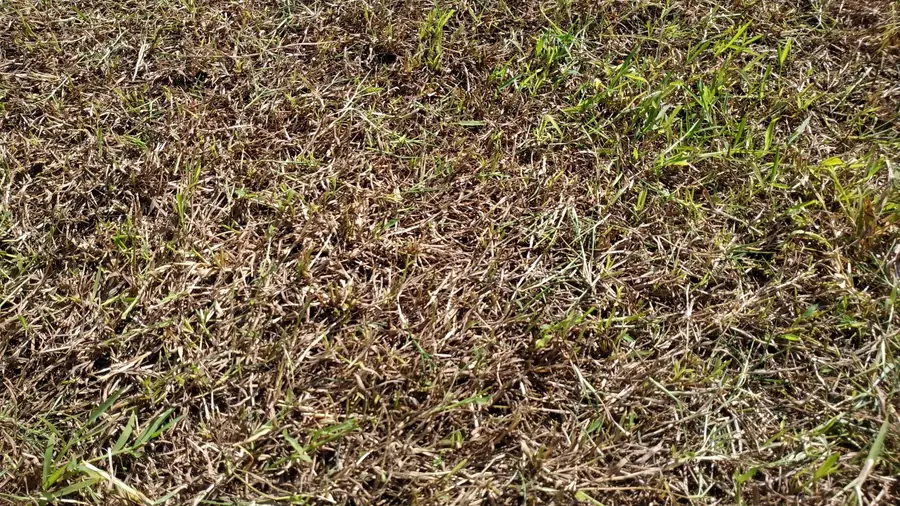
Start by examining how the discoloration is spreading throughout your yard. Dormant grass often changes color relatively evenly, especially when the entire lawn is responding to seasonal temperatures or extended dry weather. It may turn a light brown, tan, or straw-like color while remaining intact.
Dead grass is more likely to appear in isolated sections or irregular patches. These areas may look noticeably different from the surrounding turf, particularly if the damage is caused by insects, disease, poor drainage, or concentrated foot traffic.
While appearance alone can't confirm whether grass is dead, uneven discoloration can help you identify areas that need a closer inspection and may require tailored fertilization treatments.
One of the easiest ways to check your grass is with a simple tug test. Find a brown section of your lawn and gently pull on a small handful of blades near the base.
Keep in mind that this test isn't foolproof. Dry soil, damaged roots, and thick thatch can affect how easily grass pulls away. It's best to use this as one indicator rather than your only method of determining lawn health.
For a closer look, inspect the crown of the grass plant. The crown is the small section near the soil surface where the blades and roots connect. It's especially important because this is where new growth develops.
Carefully separate the blades or dig up a small sample of turf to expose the crown. A healthy, dormant grass plant should have a firm crown that is pale green, white, or cream-colored. Its roots should also show signs of life. Dead grass typically has a brown, brittle, or deteriorated crown with roots that appear dry, dark, or rotten.
If the crown is still healthy, there's a good chance the grass can recover when growing conditions improve.
Think about what your lawn has experienced over the past several weeks. Weather conditions can provide important clues about why your grass has changed color.
For example, cool-season grasses may enter dormancy during extended summer heat and drought. Warm-season varieties, meanwhile, naturally slow down and turn brown when temperatures drop in the fall and winter.
If your lawn has experienced prolonged drought, extreme temperatures, or a particularly harsh winter, dormancy may be responsible for the discoloration.
However, environmental stress can eventually cause permanent damage. Grass that remains without adequate moisture for too long may lose the ability to recover, so it's important not to assume every brown lawn is simply dormant.
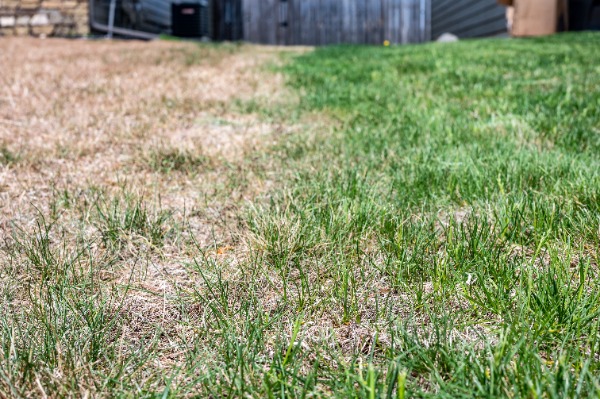
As temperatures become more favorable and the lawn receives adequate moisture, dormant grass should gradually begin producing new growth. You may notice small green blades emerging from the base before the rest of the lawn starts filling in.
Dead grass won't produce new growth, even after conditions improve. If certain sections remain brown while the surrounding lawn turns green again, those areas may have suffered permanent damage.
Avoid rushing to reseed or replace your lawn immediately after a seasonal color change. Give the grass an opportunity to recover before making major decisions.
Grass doesn't turn brown without a reason. Dormancy is typically triggered by environmental conditions that make normal growth difficult to maintain.
Dormancy isn't necessarily a sign of poor lawn health. In many cases, it's simply how grass protects itself until conditions become more favorable. Some of the most common causes include:
If you've determined that certain areas of your lawn are dead, you'll need to take steps to restore them. Since dead grass won't grow back on its own, leaving bare areas untreated can make your lawn more vulnerable to weeds and additional turf problems.
Start by identifying what caused the grass to die. Insects, fungal diseases, poor soil conditions, excessive moisture, and drought can all contribute to turf damage. Addressing the underlying issue is important if you want new grass to establish successfully.
Once the problem has been corrected, remove dead vegetation and prepare the affected soil. Depending on the size of the damaged area, you may be able to repair it with grass seed, overseeding, or new sod.
Q: Can dormant grass turn green again?
A: Yes! Dormant grass can regain its green color once temperatures and moisture levels return to conditions that support active growth. As long as the crown and root system remain alive, the grass can recover naturally.
Q: How long can grass stay dormant?
A: The length of dormancy depends on the grass variety and environmental conditions. Some lawns remain dormant for several weeks, while others may stay brown throughout an entire season. Prolonged drought or extreme weather can eventually cause permanent damage.
Q: Should I water dormant grass?
A: Yes, dormant grass may still need occasional watering, particularly during extended dry periods. While you don't need to encourage active growth, providing enough moisture to protect the living crowns and roots can help prevent permanent damage.
Q: Does dead grass come back after winter?
A: No. Grass that has completely died won't recover when spring arrives. However, grass that has entered winter dormancy can begin growing again when temperatures become favorable for its particular variety.
Q: Will fertilizer bring dead grass back to life?
A: No. Fertilizer can support healthy grass growth, but it cannot revive plants that have died. If an area of your lawn is completely dead, you'll need to repair it with new seed or sod.
Q: How can I prevent my lawn from dying during drought?
A: Proper watering, healthy soil, and appropriate mowing practices can help your lawn withstand dry conditions. Water deeply when permitted, avoid cutting grass too short, and address drainage or soil problems that may make certain areas more vulnerable to drought stress.