.png)
.png)
.png)


Last Updated:
July 11, 2026
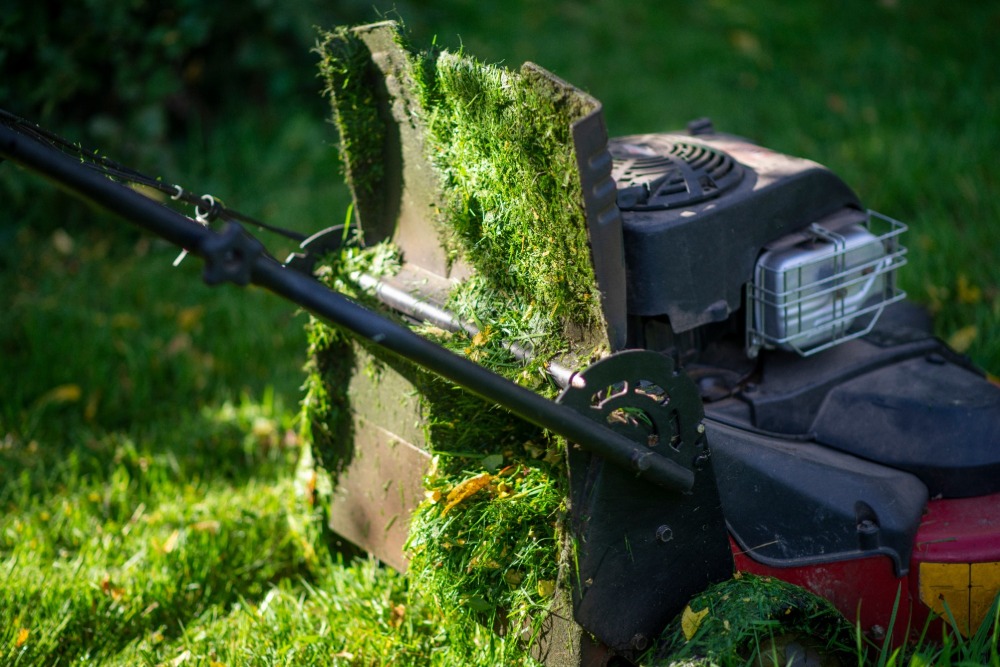
If you live in Washington State, you've probably looked out the window, seen another rainy morning, and wondered whether it's really necessary to wait for the grass to dry before mowing. With frequent showers, morning dew, and damp conditions lasting well into spring and fall, waiting for perfectly dry grass can feel nearly impossible.
The good news is that mowing wet grass every once in a while isn't guaranteed to ruin your lawn. However, making a habit of performing lawn mowing before grass dries can create problems for both your turf and your mower. Wet grass behaves differently than dry grass, making it harder to achieve a clean cut and increasing the risk of disease, soil damage, and safety hazards.
One of the first things you'll notice when mowing damp grass is that the results rarely look as neat. Moisture causes grass blades to bend over instead of standing upright, making it difficult for mower blades to slice them evenly. Rather than producing a crisp cut, the mower often tears or shreds the tips of the grass.
These ragged cuts create larger wounds that take longer to heal. During Washington's cool, damp growing seasons, damaged grass may remain vulnerable for longer periods, increasing the likelihood of stress and disease.
Washington receives significant rainfall throughout much of the year, especially west of the Cascade Mountains. When the soil is saturated, both your feet and your mower can compress the ground beneath the turf. Compacted soil reduces the amount of oxygen available to grass roots and makes it more difficult for water and nutrients to move through the soil profile.
Repeated mowing on soggy ground can leave lasting wheel ruts that continue affecting lawn health long after the rain has stopped.
Tips On Avoiding Soil Compaction:
Grass clippings are usually beneficial when they're finely chopped and allowed to decompose. Unfortunately, wet clippings behave much differently. Instead of spreading evenly across the lawn, they tend to clump together into heavy piles that block sunlight and restrict airflow around the grass.
These damp clumps can trap moisture against the soil surface for extended periods, especially during Washington's humid spring weather. Over time, they may contribute to thinning turf and create favorable conditions for fungal diseases.
Washington's mild temperatures and regular rainfall already create an environment where fungal lawn diseases can develop. Mowing while the grass is wet can make matters worse by increasing humidity within the turf canopy and spreading fungal spores across the lawn.
Diseases such as red thread, dollar spot, and various leaf spot fungi are more likely to spread when grass remains damp for long periods. Although mowing itself doesn't cause these diseases, mowing under wet conditions can accelerate their movement.
Tips On Avoiding Lawn Disease:
It's not just your lawn that suffers when you mow wet grass. Moist clippings stick to mower decks, clog discharge chutes, and reduce airflow needed for efficient cutting. This forces the mower to work harder and often leaves behind uneven strips of uncut grass.
In addition, constantly exposing metal components to wet grass can increase corrosion over time if equipment isn't cleaned and maintained properly.
Tips On Preserving Your Equipment:
In Washington State, it's not always realistic to wait several days after every rainfall before mowing. During extended rainy stretches, homeowners often need to balance lawn maintenance with changing weather conditions. In many cases, waiting just a few extra hours for the grass surface to dry can make a significant difference in mowing quality.
If your lawn remains consistently wet because of poor drainage, excessive shade, or compacted soil, addressing those underlying issues will improve both mowing conditions and overall turf health. Professional lawn maintenance services can also help by scheduling mowing at the most appropriate times and adjusting mowing practices based on seasonal weather patterns.
A healthy lawn starts with proper timing, and in a climate as rainy as Washington's, knowing when not to mow can be just as important as knowing when to mow.
Q: Is it ever okay to mow wet grass?
A: Occasionally, yes. If the grass is only slightly damp and the soil isn't saturated, mowing can be done carefully. However, it's still better to wait until the lawn has dried whenever possible for a cleaner cut and healthier turf.
Q: Why does wet grass leave clumps all over my lawn?
A: Moisture causes clippings to stick together instead of dispersing evenly. These clumps can block sunlight, reduce airflow, and smother healthy grass beneath them.
Q: Can mowing wet grass damage my mower?
A: Wet grass doesn't usually cause permanent damage, but it can clog the mower deck, reduce cutting performance, increase wear on components, and promote rust if the mower isn't cleaned afterward.
Q: How long should I wait to mow after it rains in Washington?
A: It depends on rainfall, soil type, and weather conditions. Many lawns are ready later the same day after a light shower, while heavy rain may require waiting 24 to 48 hours until the soil firms up.
Q: Does mowing wet grass increase the risk of lawn disease?
A: Yes. Wet conditions can encourage fungal diseases by keeping moisture on the grass longer and potentially spreading pathogens through clippings and mower blades.
Q: What should I do if my lawn is almost always wet?
A: Persistent wetness may indicate drainage issues, excessive shade, compacted soil, or improper irrigation. Improving drainage, aerating compacted soil, and working with a professional lawn care provider can help create healthier mowing conditions year-round.