.png)
.png)
.png)


Last Updated:
June 6, 2026
From suffocating plant roots to encouraging pests and disease, small mistakes in mulching can quietly impact the health of your landscape. Many homeowners focus on appearance alone, not realizing that proper mulch installation plays a direct role in soil health, moisture retention, and plant performance.
Understanding what can go wrong helps ensure your mulch actually benefits your yard instead of working against it. Below are some of the most common mulching mistakes and how to avoid them.
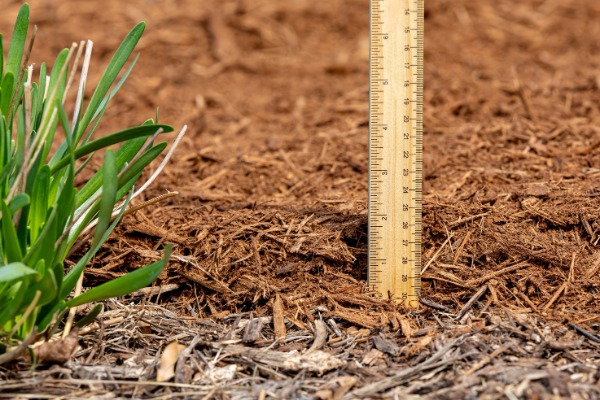
One of the most frequent mistakes is piling mulch on too thick. While it might seem like more mulch equals better weed control or moisture retention, excessive depth can block oxygen from reaching the soil and trap too much moisture around plant roots. This can lead to root rot, fungal issues, and weakened plant growth.
To avoid over-mulching:
Piling mulch high against the base of trees—often called “mulch volcanoes”—is a widespread issue. While it may look neat, this practice traps moisture against the trunk, leading to decay, pest problems, and reduced airflow. It can also encourage roots to grow improperly, weakening the tree.
To avoid mulch volcanoes:
Not all mulch materials are created equal, and choosing the wrong type can limit effectiveness or even harm your plants. Some mulches break down too quickly, while others may not provide enough insulation or moisture retention for your specific landscape needs.
To avoid choosing the wrong mulch:
Mulch can help suppress weeds, but it won’t eliminate existing ones. Applying mulch over active weeds often leads to them pushing through the surface, making the problem harder to manage later. Without proper preparation, mulch becomes less effective as a weed barrier.
To avoid this mistake:
Mulch naturally breaks down, losing its effectiveness as it decomposes. Waiting too long to refresh it can reduce its ability to regulate soil temperature, retain moisture, and block weeds. On the other hand, adding new mulch too frequently without removing old layers can lead to buildup.
To avoid improper mulch timing:
Just like trees, smaller plants can suffer when mulch is placed directly against their stems. Constant moisture in this area can lead to rot, disease, and pest issues. Plants need space around their base to breathe and stay dry.
To avoid this issue:
Uneven mulch application can lead to inconsistent results across your landscape. Areas with too little mulch may dry out quickly or allow weeds to grow, while overly thick sections can suffocate the soil. Proper distribution ensures your mulch performs as intended across the entire bed.
To avoid uneven coverage:
Q: How often should mulch be replaced?
A: Most mulch should be refreshed once a year, though some longer-lasting materials may only need topping off every 1–2 years depending on breakdown.
Q: Can too much mulch kill plants?
A: Yes. Excessive mulch can trap moisture and block airflow, leading to root rot and plant decline over time.
Q: Is it okay to put mulch directly over grass?
A: It’s best to remove grass first. Mulching over it can lead to regrowth and uneven decomposition beneath the mulch layer.
Q: What’s the ideal depth for mulch?
A: Typically 2–3 inches is ideal for most landscape beds, providing benefits without restricting airflow.
Q: Should I remove old mulch before adding new mulch?
A: Not always, but if layers have built up too thick, it’s important to remove some before adding more.
Q: Can mulch help prevent weeds completely?
A: Mulch helps suppress weeds, but it won’t eliminate them entirely, especially if weeds are already present before installation.