.png)
.png)
.png)


Last Updated:
October 16, 2026
Autumn leaves add color to the landscape, but they can create trouble for the lawn when they accumulate faster than they break down. A thick layer of leaves can prevent grass from receiving the sunlight it needs while holding moisture against the soil and turf.
These conditions can weaken grass as it prepares for winter. Removing leaves helps maintain a healthier lawn surface and reduces the chance of entering spring with thin, damaged patches.
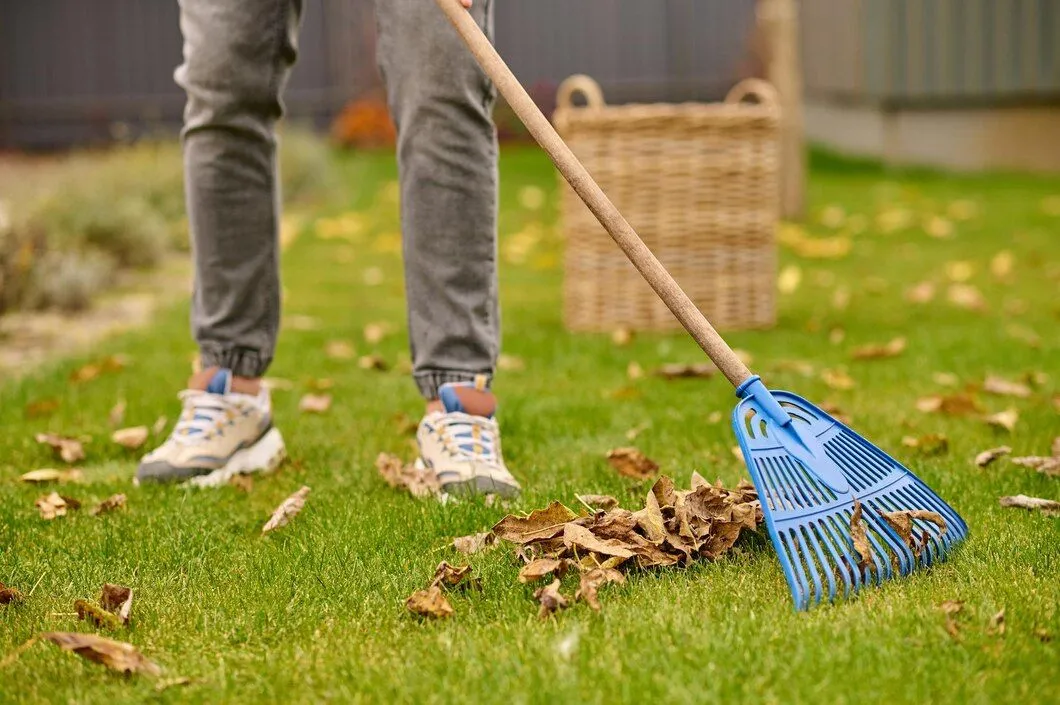
Grass continues to benefit from sunlight and air circulation during fall, even as growth slows. When leaves cover the turf, they interfere with these conditions and can make it harder for grass to maintain its health.
Wet leaves can also press grass blades against the soil, creating a compacted mat that takes longer to dry. If the layer remains in place, sections of the lawn may become yellow, thin, or damaged.
Removing leaves regularly allows more light to reach the grass and helps prevent the buildup from becoming a persistent problem.
Moisture management is one of the biggest reasons to keep up with fall leaf removal. Leaves can trap water near the grass, particularly in shaded areas where the ground dries slowly.
Prolonged dampness can create conditions favorable to certain lawn diseases. Snow mold, for example, may develop when susceptible grass remains under cool, wet conditions for extended periods, sometimes beneath snow cover.
Leaves alone do not cause every lawn disease, and removing them cannot guarantee disease prevention. However, clearing excessive debris helps reduce one source of persistent surface moisture and allows the grass to dry more readily.
Yes. Removing excess leaves in fall helps preserve the grass underneath, which can make the lawn easier to maintain when spring growth resumes. If grass has been smothered by a dense layer of debris, you may find thin spots or bare areas after winter. These sections can require additional attention, including reseeding or other lawn repair.
A thorough fall cleanup won't solve every lawn problem, but it can reduce avoidable damage and give existing turf a better chance of returning to active growth.
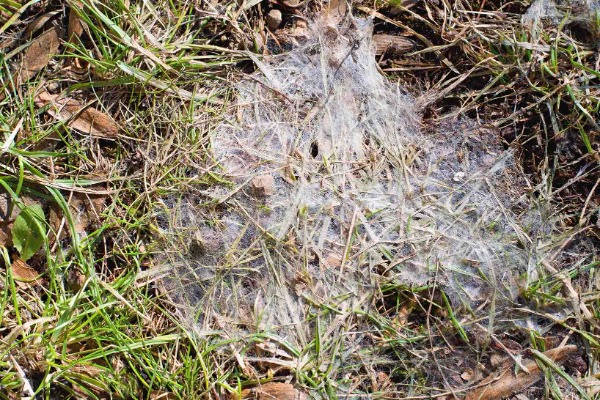
A lawn that enters winter beneath a heavy blanket of leaves may struggle more than one that has been properly maintained. Grass needs to remain in reasonable condition as it transitions into dormancy, and excessive debris can contribute to thinning and dead patches.
A final cleanup helps prevent leaves from sitting on the lawn for months when cold temperatures and wet conditions make recovery more difficult. Before winter arrives, focus on these priorities:
The best removal method depends on how heavily your lawn is covered. A small amount of dry leaf litter can often be mulched with a mower, allowing the chopped material to settle into the turf and decompose.
When leaves form thick piles or cover the grass completely, collecting and removing them is generally the better choice. Shredding a heavy layer without removing the excess may leave too much material on the lawn.
The goal is to keep leaves from forming a dense blanket, not necessarily to remove every small piece of organic material.
Collected leaves don't have to go to waste. When handled appropriately, they can be composted and reused elsewhere in the landscape.
Composted leaves can contribute organic matter to garden beds and planting areas. They may also be used to produce leaf mold, a decomposed material that can help improve soil structure and moisture retention.
Avoid transferring diseased plant material into compost systems unless you know the process will adequately manage the problem. Otherwise, follow local yard waste collection guidelines.
Waiting until every tree has dropped its leaves can leave the lawn buried under a heavy layer. Instead, check the property regularly and clean up areas as accumulation increases.
Properties with mature trees or heavy shade may need more frequent attention than open lawns. Wind can also move leaves across a yard, creating concentrated piles even when the surrounding grass looks relatively clear. Staying ahead of the buildup makes each cleanup easier and helps prevent leaves from remaining on the turf for extended periods.
Q: Why is leaf removal important for lawn health?
A: Removing excess leaves helps sunlight and air reach the grass while reducing prolonged moisture buildup. It also prevents dense layers of debris from smothering turf during fall and winter.
Q: Can leaves kill the grass underneath them?
A: Yes. A thick, persistent layer can weaken grass by blocking light and trapping moisture. If the buildup remains long enough, it may contribute to thinning or dead patches.
Q: Does removing leaves help prevent lawn diseases?
A: Leaf removal can reduce excess moisture and improve airflow around the turf. These steps may lower some disease risks, although they cannot prevent every lawn disease.
Q: When should I start removing leaves from my lawn?
A: Begin cleanup as leaves accumulate in fall rather than waiting until the lawn is completely covered. Continue checking the property throughout the season, especially after heavy leaf drop or wind.
Q: Can I leave shredded leaves on my lawn?
A: Yes. Finely chopped leaves can decompose and contribute organic matter to the soil. Remove excess material if the shredded leaves form a thick layer or cover the grass.
Q: Should I remove all the leaves before winter?
A: You should remove heavy accumulations before winter, particularly where leaves cover the grass completely. A small amount of finely chopped leaf material can remain if it settles into the turf without forming a dense layer.