.png)
.png)
.png)


Last Updated:
August 22, 2026
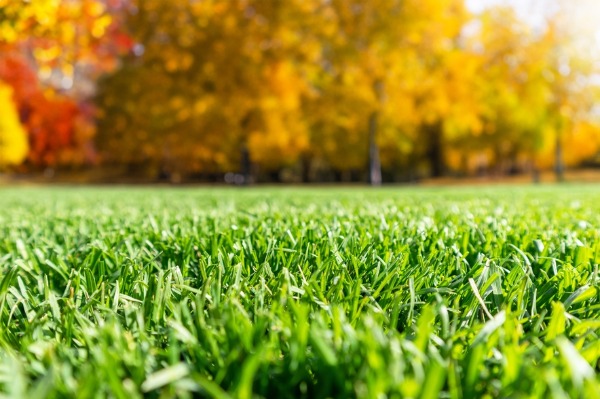
Fall is one of the most important seasons for lawn care in Washington State. Cooler temperatures, regular rainfall, and reduced summer stress create favorable conditions for cool-season grasses to recover and strengthen before winter. However, fall also brings shorter days, wet soil, falling leaves, and increased disease pressure.
A few well-timed lawn care tasks can help your grass enter winter in better condition and emerge healthier in spring. Here are several practical fall lawn care tips for Washington homeowners. Be sure to check out our yard cleanups for more help this fall!
Washington lawns may continue growing well into fall, particularly during the mild conditions common in western parts of the state. Stopping mowing too early can leave excessive grass on the lawn, while cutting too short can expose the plants to unnecessary stress.
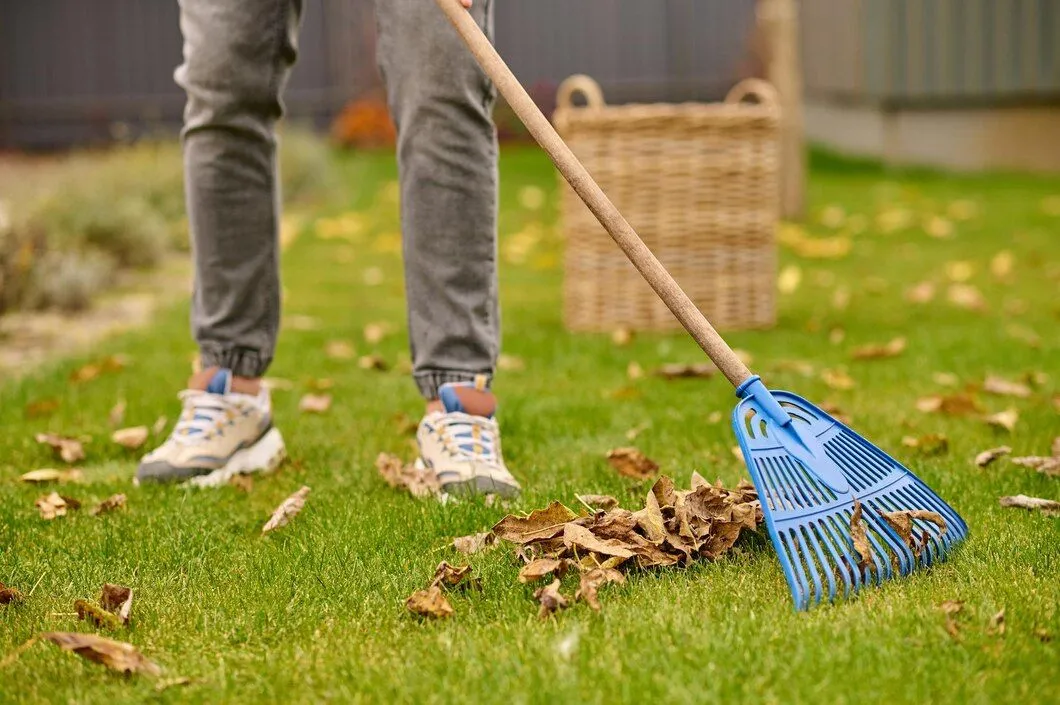
Fall leaves can accumulate quickly, especially around trees and along property edges. A thick layer of wet leaves can block sunlight and air from reaching the turf, creating an environment that encourages fungal problems and weakens the grass underneath.
Fall fertilization can provide cool-season grasses with nutrients needed to maintain growth and build energy reserves before winter. However, timing and application rates matter, particularly as temperatures begin dropping.
Heavy foot traffic, pets, mowing equipment, and summer activity can compact the soil. Core aeration removes small plugs of soil, creating channels that allow water, air, and nutrients to move more effectively into the root zone.
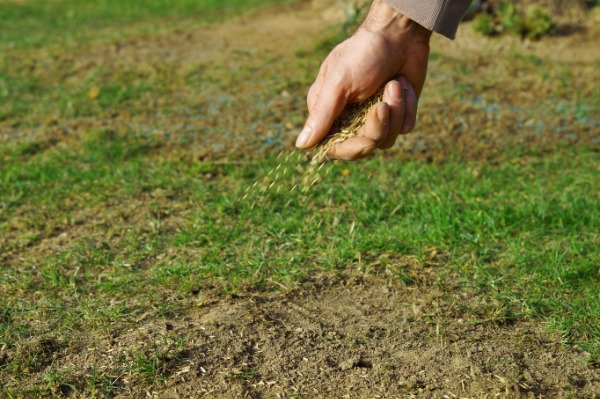
Fall is often an excellent time to repair thin turf in Washington because cooler temperatures and moisture can support seed establishment. Overseeding can also help improve lawn density, which makes it harder for weeds to establish.
Fall weeds can compete with desirable grass for water, nutrients, sunlight, and growing space. Some perennial weeds also remain active during cooler weather, making fall an important opportunity for weed management.
Washington's fall weather typically brings more rainfall, so lawns often need less supplemental irrigation than they did during summer. Continuing a summer watering schedule without accounting for rainfall can leave the soil excessively wet.
Fall moisture can create challenging conditions for lawns, particularly in areas with poor drainage or heavy shade. Keeping the turf open to air and sunlight can help reduce prolonged periods of surface moisture.
Q: When should I fertilize my lawn in Washington?
A: Fall fertilization timing depends on the grass type, local climate, and weather conditions. Cool-season lawns generally benefit from appropriately timed fall fertilization while they are still actively growing.
Q: Is fall a good time to aerate a lawn in Washington?
A: Yes. Fall can be an excellent time to aerate cool-season lawns, particularly when soil has become compacted from summer activity. Aeration is most effective when the soil is moist but not saturated.
Q: Should I leave fallen leaves on my lawn?
A: Light amounts of finely shredded leaves can sometimes be mulched into the lawn, but heavy leaf accumulation should be removed. Thick layers can block sunlight and airflow and contribute to lawn problems.
Q: Can I overseed my lawn in the fall?
A: Yes. Fall conditions can be favorable for overseeding many cool-season lawns in Washington. Seed should be kept consistently moist during germination and early establishment.
Q: Should I keep watering my lawn during fall?
A: Your lawn may still need water during dry periods, but irrigation should generally be reduced as temperatures fall and rainfall increases. Monitor soil and weather conditions rather than following the same schedule used during summer.
Q: When should I stop mowing my lawn for the year?
A: There is no specific date when every Washington lawn should stop being mowed. Continue mowing while the grass is actively growing, adjusting the frequency as growth slows. The final mowing should leave the grass at an appropriate height rather than cutting it extremely short.