.png)
.png)
.png)


Last Updated:
July 11, 2026
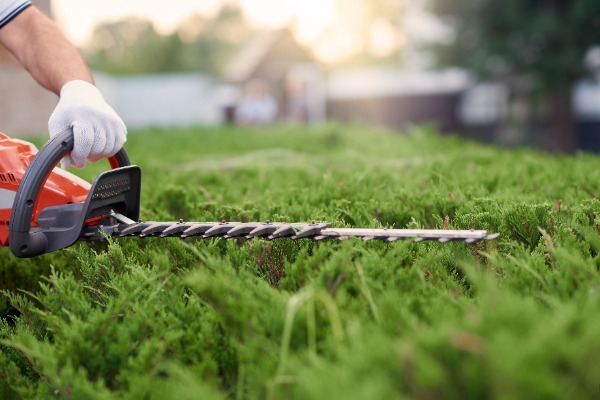
Shrub trimming is one of the best ways to keep your landscape looking great, but it's also a task that's easy to get wrong. Improper trimming techniques can weaken shrubs, reduce flowering, and even shorten the lifespan of valuable landscape plants.
Proper pruning encourages healthy growth, improves air circulation, maintains an attractive shape, and helps shrubs resist pests and diseases. Continue reading to learn about some of the most common shrub trimming mistakes and how you can avoid them.
One of the biggest mistakes homeowners make is trimming shrubs without considering their natural growth cycle. Different species produce flowers and new growth at different times of the year, and cutting them back at the wrong time can remove developing buds or leave plants vulnerable to winter damage. Spring-flowering shrubs are especially susceptible to improper timing because their flower buds often develop during the previous growing season.
Instead of trimming whenever shrubs begin to look overgrown, it's important to understand when each variety benefits most from pruning.
How to avoid this mistake:
It's tempting to dramatically cut back overgrown shrubs in a single afternoon, but removing too much foliage at one time places unnecessary stress on the plant. Leaves produce the energy shrubs need to recover, so excessive pruning can slow growth, increase sunscald, and leave plants struggling throughout the growing season.
Gradual pruning over multiple seasons is often far healthier than one aggressive trimming session.
How to avoid this mistake:
Many homeowners rely exclusively on hedge trimmers because they're fast and produce a neat appearance. While shearing works well for certain formal hedges, using the same approach on every shrub often creates dense outer growth that shades the interior of the plant. Over time, this can lead to bare branches, weak growth, and a less natural appearance.
Different shrubs require different pruning methods depending on how they grow and where they produce new growth.
How to avoid this mistake:
Many trimming sessions focus only on reducing size while overlooking branches that are unhealthy or rubbing against one another. Dead wood attracts insects, diseased branches can spread problems throughout the shrub, and crossing limbs create wounds that allow pathogens to enter the plant.
Cleaning up these problem areas should always be one of the first priorities during pruning.
How to avoid this mistake:
Even good pruning techniques can produce poor results when the wrong tools are used. Dull blades crush stems instead of making clean cuts, creating wounds that heal more slowly and increase the risk of disease. Using oversized tools on small branches can also damage healthy tissue unnecessarily.
Sharp, well-maintained equipment makes trimming easier while promoting faster recovery.
How to avoid this mistake:
While many shrubs can be maintained with routine homeowner care, some situations require professional expertise. Mature shrubs that have been neglected for years, oversized foundation plantings, and ornamental specimens often need strategic pruning to restore their health without permanently damaging their structure.
Attempting major corrective pruning without proper knowledge can lead to uneven growth, poor flowering, or permanent decline. If your shrubs have become overgrown or need expert attention, a professional shrub trimming service can restore their appearance while promoting healthier long-term growth.
Q: How often should shrubs be trimmed?
A: Most shrubs benefit from trimming once or twice per year, although the ideal schedule depends on the species, growth rate, and whether the shrub is grown primarily for flowers or foliage.
Q: What is the biggest mistake people make when trimming shrubs?
A: Pruning at the wrong time of year is one of the most common mistakes because it can remove flower buds, slow recovery, or expose shrubs to seasonal stress.
Q: Is it okay to cut a shrub back severely if it has become overgrown?
A: Sometimes, but not always. While certain shrubs tolerate rejuvenation pruning, others recover poorly from drastic cutbacks. Removing too much growth at once can permanently damage some varieties.
Q: Why are my shrubs bare in the middle after trimming?
A: Frequent shearing encourages dense outer foliage that blocks sunlight from reaching the interior, eventually causing inner branches to lose their leaves.
Q: Should pruning tools be cleaned between plants?
A: Yes. Cleaning and disinfecting pruning tools helps prevent diseases from spreading from one shrub to another, especially when removing infected branches.
Q: When should I hire a professional for shrub trimming?
A: Professional trimming is a smart choice for large, mature, overgrown, or valuable ornamental shrubs, as well as any situation requiring structural pruning to improve long-term health and appearance.